
In the quest for relaxation and stress relief, many individuals are turning to sound baths and traditional meditation. Both of these practices offer unique approaches to achieving mental clarity and peace. However, the question remains: which is more effective for relaxation? This article will explore the nuances of sound baths and traditional meditation, comparing their techniques, experiences, and scientific backing. By the end, you’ll have a clearer understanding of which method might best suit your personal well-being needs.
Sound Bath vs Traditional Meditation: Exploring Relaxation Techniques
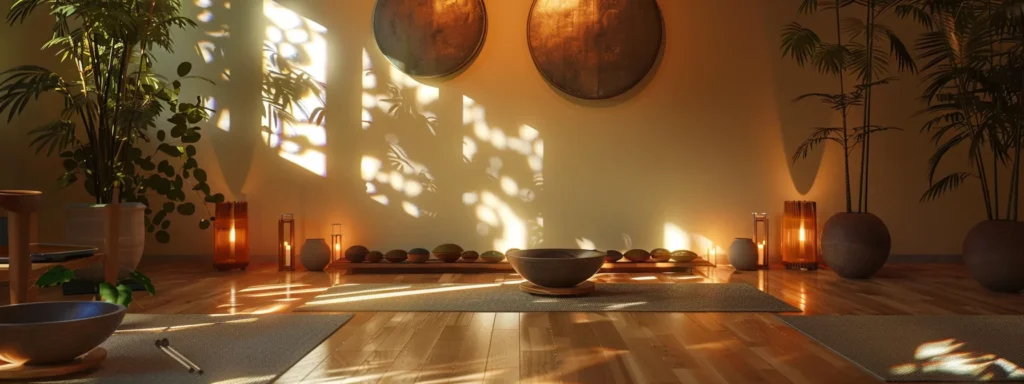
A sound bath is a sensory experience where participants are “bathed” in sound waves produced by instruments like gongs, Tibetan singing bowls, and chimes. This technique is often part of a broader Best Sound Bath Destin experience, which has gained popularity for its immersive nature and ability to induce deep relaxation.
In contrast, traditional meditation typically involves sitting quietly while focusing on the breath or a mantra. This practice is often integrated into a holistic health regimen by a Wellness Program Coordinator, aiming to enhance mindfulness and reduce stress.
Both methods have their roots in ancient practices and have been adapted to fit modern wellness programs. Whether through the auditory immersion of a sound bath or the introspective focus of meditation, each offers a path towards relaxation.
Comparing the Experiences of Sound Baths and Traditional Meditation
Sound baths provide a unique, passive experience where the participant simply lies down and listens. This can be particularly beneficial for individuals who struggle with the active focus required in traditional meditation. Wellness Engagement Metrics often show higher participation rates in group sound bath sessions compared to solo meditation practices.
Traditional meditation, however, offers a different kind of engagement. Through Mindfulness-Based Stress Reduction (MBSR), practitioners develop greater awareness of their thoughts and emotions, which can lead to long-term benefits in stress management and emotional regulation.
For those who prefer a more structured approach, a Holistic Health Coach might recommend integrating both practices as part of a comprehensive self-care routine tailored to individual needs.
The Science Behind Sound Therapy and Mindfulness Practices
Sound therapy, the foundation of sound baths, is supported by research showing that certain frequencies can alter brainwave states, promoting relaxation and healing. These findings are increasingly being incorporated into Therapeutic Lifestyle Change (TLC) programs aimed at stress reduction.
On the other hand, traditional meditation has been extensively studied, with numerous clinical trials validating its efficacy. According to a recent study published in the National Institutes of Health, meditation can significantly lower levels of cortisol, the stress hormone, enhancing overall well-being.
Both practices are recognized for their potential in a Client-Centered Care Model, where individual preferences and responses to different therapies are taken into account, ensuring a personalized approach to self-care and stress management.
Choosing the Right Relaxation Method for Personal Well-Being
When deciding between a sound bath and traditional meditation, consider your personal preferences and wellness goals. If you enjoy auditory experiences and prefer a guided session, sound baths may be ideal. They can be particularly effective when combined with additional therapies like Aromatherapy Certification, creating a multi-sensory relaxation experience.
For those seeking a more introspective journey, traditional meditation offers a path towards mindfulness and self-awareness, which can be beneficial in a Chronic Disease Management Plan. It encourages the development of a consistent practice that can enhance mental resilience over time.
Ultimately, the choice between sound baths and traditional meditation should align with your personal relaxation needs and wellness objectives, possibly guided by an Integrative Health Assessment.
Conclusion

Sound baths and traditional meditation both offer valuable relaxation techniques, each with unique benefits. Understanding their differences and how they fit into your lifestyle is key to maximizing their effectiveness. For those looking to enhance their self-care regimen, exploring these practices under the guidance of a health professional can provide a path to greater relaxation and well-being.