
Introduction
Nepal is not only a country of mountains. It is a place where every trail gives different emotions, different cultures, and different meanings of adventure. Among all trekking routes, the Annapurna Circuit Trek and Everest Base Camp Trek are the two most famous journeys in the world. Every year, thousands of trekkers visit Nepal to walk through high Himalayan passes, ancient villages, Buddhist monasteries, glacier valleys, and unforgettable mountain landscapes. But many travelers still feel confused before booking because they do not know which trek is better for their goals, fitness, budget, and time.
Planning a Himalayan trek is not only about choosing a destination. It is also about preparation, safety, permits, weather, altitude, guide services, and understanding how to choose the best company for an Everest trek. A good trekking company can completely change your experience. Professional guides, proper acclimatization planning, emergency support, experienced porters, and local knowledge make the journey safer and more comfortable. On the other hand, poor planning can create unnecessary risk in the mountains.
This detailed guide helps travelers understand both treks deeply. You will learn the routes, highlights, costs, difficulties, best seasons, cultural experiences, packing tips, and major differences between Everest Base Camp Trek and Annapurna Circuit Trek. Whether you are a first-time trekker or an experienced mountain traveler, this guide will help you plan your Himalayan adventure with more confidence and clarity.
Overview of Everest Base Camp Trek
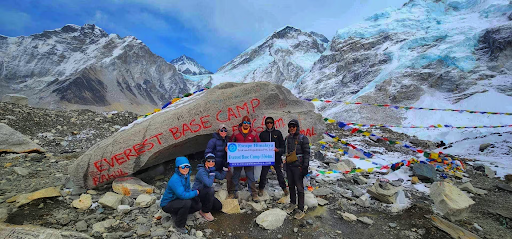
The Everest Base Camp Trek is one of the most iconic trekking adventures on Earth. This journey takes trekkers deep into the Khumbu region of Nepal, the homeland of the Sherpa people and the gateway to the world’s highest mountain, Mount Everest. The trek usually starts after a thrilling mountain flight to Lukla and continues through beautiful Himalayan villages such as Namche Bazaar, Tengboche, Dingboche, and Gorakshep before finally reaching Everest Base Camp at an altitude of 5,364 meters.
One of the biggest reasons why trekkers choose the Everest Base Camp Trek is the feeling of walking near legendary peaks like Lhotse, Nuptse, Ama Dablam, and Everest itself. The route offers dramatic glacier views, suspension bridges, Buddhist prayer flags, yak caravans, and ancient monasteries. Every day on the trail feels different and emotionally powerful.
This trek is not technically climbing, but it still demands good physical fitness and mental preparation because of long walking days and high altitude. Proper acclimatization is extremely important. Most trekkers complete the journey in 12 to 14 days depending on the itinerary and weather conditions.
Another special part of the Everest region is Sherpa culture. Trekkers experience warm hospitality, mountain traditions, local foods, and spiritual Buddhist heritage throughout the trail. Tea houses along the route provide simple accommodation and meals, making the trek possible for both beginners and experienced hikers.
The Everest Base Camp Trek is perfect for travelers who dream about standing close to the highest mountain in the world while experiencing adventure, culture, and personal achievement together in one unforgettable journey.
Overview of Annapurna Circuit Trek
The Annapurna Circuit Trek is one of Nepal’s most diverse and scenic trekking routes. Unlike Everest Base Camp Trek, this journey gives trekkers a changing landscape almost every single day. The trail passes through green forests, waterfalls, river valleys, alpine meadows, dry desert-like terrain, and traditional mountain villages. The trek circles around the massive Annapurna mountain range and crosses the famous Thorong La Pass at 5,416 meters.
The route usually begins from the lower hills near Besisahar and continues through villages like Chame, Pisang, Manang, Yak Kharka, and Muktinath. One of the most loved parts of this trek is the cultural diversity. Trekkers experience Hindu villages in lower regions and Tibetan Buddhist culture in higher Himalayan settlements. This combination makes the Annapurna Circuit Trek feel culturally rich and visually different from many other trekking routes in Nepal.
The Annapurna Circuit Trek is famous for balance. It offers high mountain adventure without the constant extreme altitude feeling found in some Everest region areas. The acclimatization process is usually smoother because the altitude gain is more gradual. Trekkers also enjoy stunning views of Annapurna, Dhaulagiri, Machhapuchhre, Tilicho Peak, and many other Himalayan giants.
Another important advantage is flexibility. The trek can be completed in different durations depending on side trips and transportation choices. Some trekkers include Tilicho Lake, while others extend the journey toward Poon Hill.
This trek is ideal for travelers who want long, scenic walking days, deep cultural experiences, varied landscapes, and one of the most complete trekking adventures in Nepal. Many trekkers consider the Annapurna Circuit Trek one of the most rewarding long-distance hikes in the Himalayas because of its natural beauty and changing environment.
Everest Base Camp Trek Route and Experience
The journey usually starts with a flight to Lukla, which itself is adventurous. From there, the trek slowly moves through
-
Lukla to Phakding
-
Phakding to Namche Bazaar
-
Acclimatization at Namche
-
Tengboche Monastery
-
Dingboche and Lobuche
-
Everest Base Camp
-
Kala Patthar for sunrise view
Each day is a different story. Some days you walk through forests and some days above clouds. In Namche Bazaar, trekkers often feel the first real altitude pressure. In Tengboche, the silence of the monastery gives mental peace.
One real scenario many trekkers face is the first headache at Namche, thinking maybe they cannot continue, but a slow pace and hydration usually help the body adjust. This is why a proper guide and company matter a lot.
Annapurna Circuit Trek Experience Insights
On the Annapurna Circuit Trek, the journey starts from lower villages like Besisahar and slowly climbs higher. You pass waterfalls, suspension bridges, and apple orchards and then enter the dry Manang valley.
The key highlight is Thorong La Pass. It is a very tough early morning climb, with cold wind and thin air, but reaching the top gives an emotional victory.
After passing, the landscape changes suddenly into Mustang-style desert terrain. Many trekkers say this transition feels like moving between different countries in the same trek.
Trek Preparation Tips for Himalayas
Preparation is everything when it comes to high-altitude trekking. Many people think walking is enough, but the Himalayas require more planning.
First, physical fitness matters. You should train with hiking, stair climbing, and cardio workouts at least 6–8 weeks before the trek. It helps your body adjust to long walking hours.
Second, mental preparation is equally important. Weather changes quickly, rooms are basic, and comfort is limited at higher altitudes.
Third, pack light but smart. Good boots, warm layers, gloves, and waterproof jackets are must-have items. Overpacking makes trekking harder.
Also, always carry basic medicines, sunscreen, and hydration salts. Small preparation mistakes can become big problems in high altitude.
Permits and Trekking Costs
For both the Everest Base Camp Trek and the Annapurna Circuit Trek, you need permits issued by the Nepal government.
For Everest region:
-
Sagarmatha National Park Permit
-
Khumbu Pasang Lhamu Rural Municipality Permit
For the Annapurna region:
-
Annapurna Conservation Area Permit (ACAP)
-
TIMS Card
Costs depend on season, guide, accommodation, and services. On average:
-
Everest Base Camp Trek: moderate to expensive due to flight to Lukla
-
Annapurna Circuit Trek: more flexible budget options available
Always confirm what is included in your trekking package—some companies include food, accommodation, and guide fees; others do not.
Best Season for Trekking in Nepal
Choosing the right season changes everything.
Best time for Everest Base Camp Trek and Annapurna Circuit Trek:
-
Spring (March to May): clear skies, rhododendron blooms, best visibility
-
Autumn (September to November): stable weather, best trekking conditions
Winter is cold but possible for experienced trekkers. Monsoon season (June to August) is risky due to rain, landslides, and flight delays.
Most travelers prefer autumn because mountains look sharp and weather stays stable for walking long distances.
Altitude and Safety Guidance
Altitude sickness is the biggest challenge in the Everest Base Camp Trek.
Symptoms include headache, nausea, dizziness, and loss of appetite. The solution is simple but important: walk slow, drink water, and never rush.
Acclimatization days are included in Namche and Dingboche for this reason. Skipping rest days increases risk.
In the Annapurna Circuit Trek, Thorong La Pass is the highest point, and crossing it requires a very early morning start and good weather conditions.
Always listen to your guide. They know the mountain’s behavior better than anyone.
Accommodation and Food Expectations
Don’t expect luxury in high mountains. Tea houses are basic but warm.
Rooms usually have twin beds, shared bathrooms, and thick blankets. Heating is limited, so sleeping bags are recommended.
Food is simple but energetic:
-
Dal Bhat (rice, lentils, vegetables)
-
Noodles and soups
-
Potatoes and eggs
-
Tea and coffee
In the Everest region, food becomes expensive as altitude increases due to transport difficulty. The Annapurna region offers slightly more variety and lower cost in lower sections.
Still, food tastes better after long walking days. Even simple soup feels like a reward.
How to Choose the Best Company for an Everest Trek
Choosing the right company is one of the most important decisions for your Himalayan journey. A good company ensures safety, proper guidance, and a stress-free trekking experience. Understanding how to choose the best company for an Everest trek can make a huge difference in your overall adventure, especially when trekking in remote high-altitude regions.
Always checking:
-
Licensed guides with mountain experience
-
Clear cost breakdown (no hidden charges)
-
Emergency support and rescue plan
-
Real customer reviews
-
Group size and communication quality
Avoid very cheap offers because they often compromise safety or service quality. A professional trekking company makes your journey smooth, especially in high-altitude regions like the Everest Base Camp Trek.
Recommended Trekking Company Insight
One trekking service often mentioned by travelers is Escape Himalaya Trek. It is known among trekkers for organizing Himalayan routes with experienced local guides and flexible itinerary planning. Many travelers prefer such local companies because they understand trail conditions, weather changes, and altitude risks better. Choosing a trusted operator like this can make your Everest Base Camp Trek or Annapurna Circuit Trek safer, more structured, and more enjoyable without unnecessary complications or confusion.
Real Trekking Scenario—What Actually Happens on Trail
Imagine waking up in a small wooden lodge in Dingboche. The air is freezing, your water bottle is half frozen, and outside the window, giant peaks are glowing in sunrise light.
You start walking slowly, step by step, breathing carefully. A group of yaks passes you on a narrow trail. Your guide checks your pace and reminds you to drink water.
After hours of walking, you reach the teahouse, tired but happy. This simple routine continues every day. That is the real Everest Base Camp Trek experience—simple life, hard walk, deep reward.
Strong CTA – Start Your Himalayan Journey
If you are seriously thinking about the Everest region or Annapurna Circuit, do not just plan in your mind. These treks need preparation, booking, and proper guidance.
Talk to experienced trekking planners, compare itineraries, and choose a route that matches your fitness level and dream.
Your Himalayan journey is not just a trip; it is a life memory waiting to happen.
FAQ – Common Trekking Questions
1. How difficult is the Everest Base Camp Trek?
It is moderate to challenging due to altitude, but doable with good preparation.
2. Do I need a guide for the Annapurna Circuit Trek?
Not mandatory, but highly recommended for safety and navigation.
3. What is the total duration of the Everest Base Camp Trek?
Normally 12 to 14 days, including acclimatization.
4. Which is better, Annapurna Circuit or Everest Base Camp?
Both are unique. Everest is iconic; Annapurna is more diverse.
5. Can beginners do these treks?
Yes, but proper fitness training and slow pacing are necessary.
Final Thought
The Himalayas are not just mountains; they are a journey that changes how you see life. The Everest Base Camp Trek gives you raw altitude experience, close views of Everest, and an emotional connection with Sherpa culture. On the other side, the Annapurna Circuit Trek shows you the diversity of Nepal, from green valleys to high mountain passes.
Both treks are different paths to the same feeling—small humans in big nature. Preparation, patience, and right guidance make the difference between struggle and success. Choosing a trusted trekking company also ensures safety and a smooth experience in unpredictable mountain conditions.
If you walk slowly, respect altitude, and stay mentally strong, the Himalayas reward you with unforgettable memories. Whether you choose Everest or Annapurna, the mountains will not just show you views—they will show you yourself in a deeper way.
Contact to Escape Himalaya
You Can contact Escape Himalaya by using our email address info@escapehimalaya.com We are available at any time. Escape Himalaya will deliver you price-worthy services, professional guides, trained staff, and assistance on every trip.